


Awake Deep Plane Facelift: What to Expect From a No General Anaesthesia Facelift
Published: 01/20/2026
by The Maercks Institute
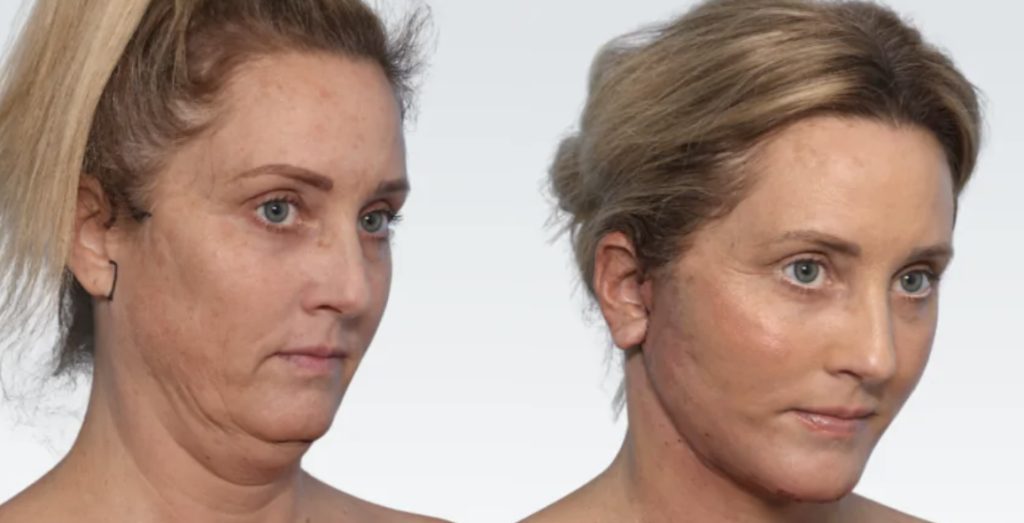
Are you curious about a facelift that delivers transformative results without the need for general anaesthesia? The awake deep plane facelift is rapidly becoming one of the most sought-after facial rejuvenation procedures — offering profound, long-lasting results with safety, comfort and a more natural recovery experience.
In this comprehensive guide, we’ll walk you through what an awake deep plane facelift is, how it’s performed, and what you can expect — including the pain-free aspects that make it such an appealing option for modern patients.
Contents
What Is an Awake Deep Plane Facelift?
A deep plane facelift is an advanced surgical technique that repositions the deeper facial tissues — including muscles and connective layers — rather than simply tightening skin. Because of this, it tends to produce more natural, longer-lasting results compared to older facelift methods.
What sets the awake deep plane facelift apart is the anaesthesia approach. Instead of general anaesthesia (where you are completely unconscious), this procedure is performed under local anaesthesia with sedation. You remain relaxed and comfortable throughout, without the risks and downtime associated with being fully put under.
Why Choose Awake Over Traditional General Anaesthesia?
Opting for an awake facelift offers several key benefits:
✔ Reduced Risk
General anaesthesia carries inherent risks — especially for older patients or those with underlying health conditions. Local anaesthesia significantly minimises these concerns.
✔ Faster Recovery
Because your body hasn’t endured the effects of general anaesthesia, many patients experience less nausea, grogginess and a smoother initial recovery phase.
✔ Pain-Free Experience
Despite being awake, the procedure is thoroughly numbed. Modern sedation techniques ensure you remain relaxed, calm and comfortable — often describing the experience more like a deep sleep than surgery.
✔ More Personal Control
Being awake allows you to communicate with your surgeon during the procedure, which some patients find reassuring.
What Happens During the Procedure?
Here’s a step-by-step breakdown of what you can expect:
1. Pre-Procedure Preparation
Before surgery, you’ll have a detailed consultation to discuss your goals, medical history and expectations. Pre-operative instructions will be provided to ensure the safest outcome.
2. Sedation and Local Anaesthesia
On the day of your surgery, a combination of local anaesthesia and mild sedation is administered. You’ll be calm and comfortable, but responsive if needed — without feeling pain.
3. Deep Plane Technique
Your surgeon will make small, discreet incisions around the hairline and ears. Through these, they access the deep facial plane — gently repositioning the underlying muscles and tissue to lift and rejuvenate the mid- and lower face.
4. Skin Redraping and Closure
Once the deep tissues are elevated, excess skin is trimmed and the incisions are closed meticulously to minimise scarring.
5. Immediate Post-Op
After surgery, you’ll be moved to recovery. Because you haven’t received general anaesthesia, many patients feel alert sooner and can go home the same day with a trusted companion.
Is It Painful?
One of the biggest concerns for patients considering a facelift is pain. The good news? Thanks to targeted local anaesthesia and modern sedation, most patients experience minimal discomfort during the procedure.
Afterwards, any pain is usually mild and easily managed with prescribed or over-the-counter medication. Many patients describe sensations of tightness or pressure rather than pain — and most return to light daily activities quickly.
Recovery: What to Expect
While everyone heals differently, here’s a general timeline:
First few days:
• Mild swelling and bruising are common
• Discomfort is typically well controlled with medication
• Most patients rest at home
1–2 weeks:
• Swelling begins to subside
• Stitches or staples (if used) are usually removed
• Many return to non-strenuous work and social activities
3–6 weeks:
• Most swelling resolves
• Final results become more evident
• Normal exercise and routine can often resume
Your surgeon will provide personalised aftercare instructions to support healing and optimise results.
Who Is a Good Candidate?
An awake deep plane facelift may be ideal if you:
✔ Are seeking a significant, natural-looking facial rejuvenation
✔ Prefer to avoid general anaesthesia
✔ Want durable results with a smoother recovery
✔ Are in good overall health
During your consultation, your surgeon will assess your unique anatomy and discuss whether this technique aligns with your goals.
Final Thoughts
The awake deep plane facelift represents a modern evolution in facial rejuvenation: combining surgical precision with comfort, safety and minimal downtime. It’s an outstanding option for anyone considering a facelift but hesitant about the drawbacks of general anaesthesia.
If you’re ready to explore how this advanced technique can help refresh your appearance and restore confidence — book a consultation with The Maercks Institute today.