
Otoplasty, also known as ear surgery or ear pinning, is a procedure that reshapes the ears to improve their appearance. When the ears protrude or are too large for the other features, they can draw unwanted attention, affect the balance of your facial features, and impact your self-esteem. Protruding ears can result in bullying and teasing that can interfere with healthy socializing, especially in children.
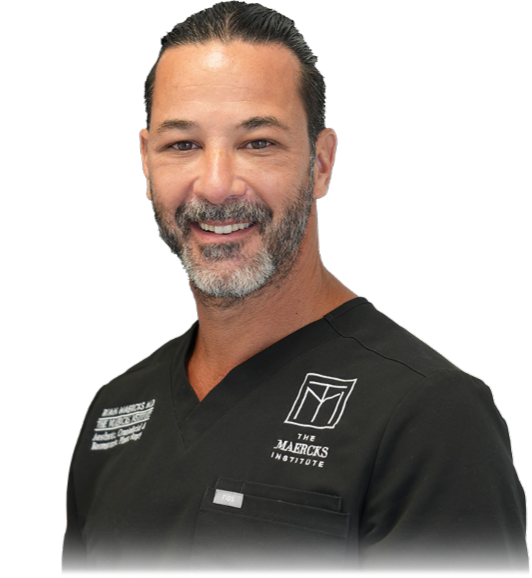
Dr. Rian Maercks is a board-certified aesthetic, craniofacial, and reconstructive plastic surgeon who is well-known for his innovative treatments that have helped thousands of patients. Dr. Maercks is passionate about delivering natural-looking results that are carefully crafted to reflect a patient’s ideal image. Dr. Maercks graduated from the Duke University School of Medicine, going on to complete a prestigious integrated plastic and reconstructive surgical residency at the top-ranked Cincinnati Children’s Hospital. He then further refined his skillset with a fellowship guided by leading pioneers in the complex field of craniofacial and aesthetic surgery. His commitment to personalized, attentive, and safe care has helped thousands of patients enhance their appearances and has earned him high rates of patient satisfaction.
Contact our Miami office online or call (305) 328-8256 to learn more about your otoplasty possibilities.
Contents
About Otoplasty
Otoplasty enhances the appearance of the ears by adjusting their projection, shape, or size. Individuals who feel self-conscious about ears that protrude too far from the head, appear asymmetrical, or are misshapen due to injury or congenital conditions often seek this surgery. (1) By carefully adjusting the position of the ears, otoplasty creates a more balanced and harmonious facial profile. (1) This procedure is suitable for both children and adults, offering not only aesthetic improvement but also emotional relief. Many patients experience a significant boost in self-esteem and feel more comfortable wearing their hair short or styled away from the face. In children, otoplasty can significantly alleviate bullying or alienation from their peers, leading to increased confidence during important developmental stages. (2)
Dr. Maercks performs each otoplasty with an artistic eye and a strong emphasis on achieving natural-looking results. Understanding that every individual has unique facial features and personal goals, he customizes each treatment plan, ensuring the ears match and complement one’s existing facial features. As with every procedure he performs, Dr. Maercks utilizes advanced techniques that emphasize histriocentricity to minimize visible scarring and facilitate an easy, smooth recovery process.
The procedure typically involves reshaping the cartilage through small incisions, often hidden behind the ear. Recovery is relatively quick, and most patients can return to normal activities within a week. Dr. Maercks prioritizes patient comfort, open communication, and safety throughout the process, delivering results that not only satisfy patients and meet their expectations but also contribute to long-lasting improvements in self-esteem.
Benefits
Patients undergoing otoplasty with Dr. Maercks regularly enjoy a range of benefits, which include:
- Improved Aesthetics: The surgery provides a more balanced and visually pleasing appearance to the ears.
- Increased Confidence: Many patients report improved self-esteem and feel more comfortable with the shape and appearance of their ears.
- Minimal Scarring: Dr. Maercks places incisions carefully along the natural ear creases to keep subsequent scarring hidden and minimal.
- Quick Recovery: Dr. Maercks’ refined otoplasty techniques allow patients to achieve their goals without extended downtime.
- Customizable Treatment: Each otoplasty procedure is personalized to meet a patient’s specific goals and anatomy.
- Lasting Results: Since the ear structure is surgically adjusted, the resulting enhancements are virtually permanent.
Candidates
Otoplasty is an option for individuals of all ages who are concerned by the appearance of protruding ears. To qualify for the procedure, patients should be non-smokers in good overall health, without any serious medical conditions that could negatively impact the surgery or their recovery. Children who are at least 5 years old may undergo the surgery once their ears are fully developed, as their cartilage becomes strong enough to support sutures at this stage. Furthermore, it is essential that all candidates maintain realistic expectations regarding their final outcomes.
Consultation
The otoplasty process begins with an individual consultation with Dr. Maercks, who will evaluate you or your child’s ears, review your medical history, and listen to your primary goals. With this information collected, he will create a customized treatment plan. He invites you to ask any questions you may have so that you leave this meeting feeling informed, educated, and empowered to make the best choices possible for your health and appearance, or that of your child.
Schedule a consultation today by submitting our online contact form. If you have any further questions or prefer to schedule over the phone, please call our Miami office directly at (305) 328-8256.
Preparation
Dr. Maercks will provide specific instructions to help you prepare for otoplasty. You will need to complete a pre-operative medical examination. Patients who use nicotine will need to quit to promote optimal healing. Dr. Maercks will recommend that you stop taking certain medications and supplements that thin the blood. You should also avoid alcohol, and you will need to arrange transportation home from surgery and time away from work or other responsibilities.
Procedure
Depending on the patient’s goals and the complexity of the surgery, the entire otoplasty procedure typically takes between one and three hours. The procedure begins with the administration of anesthesia to ensure patient comfort; adults and older teens typically receive local anesthesia with sedation, while children have the option of general anesthesia to remain completely asleep during the surgery.
Once the patient is comfortable, Dr. Maercks will make an incision along the back of the ear. He will then remove excess cartilage and manipulate the underlying structures of the ear, reshaping it if necessary. To conclude the procedure, he closes incisions and secures the ear to the back of the head with sutures, allowing it to properly heal in its new position.
Recovery
After your treatment, you will remain in our recovery room until Dr. Maercks clears you to return home. You should sleep in an upright position to prevent putting pressure on your ears. Dr. Maercks may recommend that you wear a protective headband for several days to protect your new ear shape. Patients may experience swelling, bruising, or tenderness around their ears, but you can alleviate these symptoms with cold compresses. You should avoid strenuous exercise for several weeks, or until Dr. Maercks provides clearance.
Both adults and children will need to rest for approximately 5-7 days after their surgery. We recommend that children undergo the procedure during either summer or winter holidays, when there will be the most downtime available. After 3-4 weeks, most patients have recovered enough to slowly resume their normal routines.
Results
Otoplasty offers durable, long-lasting results that enhance your ear shape and create more balanced facial features. Once your incisions heal over the course of 2-3 weeks, you will notice your ears settle into a more symmetrical and natural-looking position, successfully eliminating the burden of protruding ears.
Cost of Otoplasty in Miami
The cost of otoplasty will depend on your aesthetic goals and the scale of your procedure. During your consultation, Dr. Maercks will provide you with a detailed price quote. Costs will include the surgeon’s fees, anesthesia fees, and facility fees. The Maercks Institute also offers financing options to help make treatments more accessible.
Schedule a consultation today to begin exploring your otoplasty options. If you have any further questions, please call our Miami office directly at (305) 328-8256 to learn more.


FAQ
What is otoplasty?
Otoplasty, also commonly known as ear pinning, is a surgical procedure that reshapes protruding ears and pulls them closer to the head to create a more comfortable look and feel.
Who can undergo otoplasty?
Both adult and pediatric patients can be candidates for otoplasty, provided they maintain realistic expectations and are in good overall health. For children, it is recommended to wait until they are at least five or six years of age, ensuring the ear cartilage has developed enough strength to hold sutures.
What can otoplasty not address?
Otoplasty specifically addresses protruding ears. Other conditions like enlarged ears, Stahl’s Ear, cauliflower ear, and other ear deformities require other specialized procedures. These treatments do fall under the category of ear surgery, but they are different from otoplasty. Dr. Maercks can evaluate your needs and determine the most appropriate procedures for you during your consultation.
Is otoplasty covered by insurance?
Otoplasty is generally considered a cosmetic procedure and may not be covered by insurance, but there are some exceptions. We cannot guarantee insurance coverage for all patients, so we recommend speaking with your insurance provider to explore your options.
Can I undergo any procedures alongside otoplasty?
If you wish to address multiple concerns in one surgical session, then yes! Many patients pair otoplasty with rhinoplasty or a facelift for comprehensive facial transformations, but you are welcome and encouraged to explore your options with Dr. Maercks at your consultation.
References
- Naumann A. Otoplasty – techniques, characteristics, and risks. GMS Current Topics in Otorhinolaryngology, Head and Neck Surgery. 2008;6:Doc04. Accessed December 31, 2021. https://www.ncbi.nlm.nih.gov/pmc/articles/PMC3199845/
- Nazarian R, Eshraghi AA. Otoplasty for the Protruded Ear. Seminars in Plastic Surgery. 2011;25(4):288-294. doi:https://doi.org/10.1055/s-0031-1288921